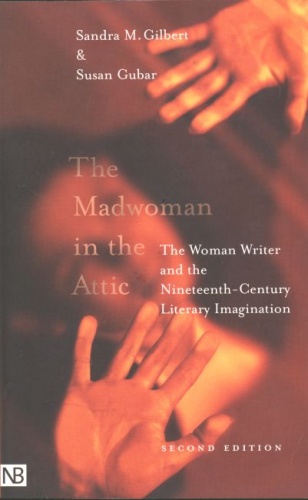
The Madwoman in the Attic: The Woman Writer and the Nineteenth-Century Literary Imagination - Sandra Gilbert, Susan Gubar
- Kategoria
- Tagi
- Dodał
-
- ebook
- pobierz
- mobi
- epub
In the work, Gilbert and Gubar examine the notion that women writers of the 19th Century were confined in their writing to make their female characters either embody the "angel" or the "monster." This struggle stemmed from male writers' tendencies to categorize female characters as either pure, angelic women, or rebellious, unkempt madwomen. In their argument, Gilbert and Gubar point to Virginia Woolf who says women writers must "kill the aesthetic ideal through which they themselves have been 'killed' into art". While it may be easy to construe that feminist writers embody the "madwoman" or "monster," Gilbert and Gubar stressed the importance of killing off both figures because neither the angel nor the monster are accurate representations of women or women writers. Instead, Gilbert and Gubar claimed that female writers should strive for definition beyond this dichotomy, whose options are limited by a patriarchal point of view.
Rejestracja jest darmowa i bardzo szybka! Kliknij tutaj aby założyć konto. Trwa to tylko 15 sekund!.