
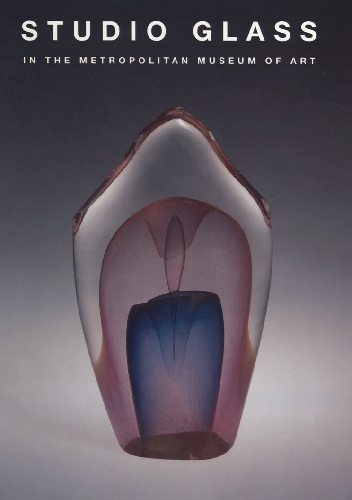
Studio Glass in The Metropolitan Museum of Art - Jane Adlin
- Kategoria
- Tagi
- Dodał
-
- ebook
- pobierz
- mobi
- epub
In 1961 and 1962 artist Harvey K. Littleton, a professor of fine arts at the University of Wisconsin and son of the director of research at the Corning Glass Works, held a series of informal workshops to explore the art of hot glassmaking in a studio setting. Until then, almost without exception, glass objects had been blown or molded in an industrial context—that is, they were factory made. In the 1870s, the French designer Émile Gallé had made a radical change in the prevailing attitude toward glass as art by being the first modern artist to sign his work, just as painters and sculptors did. Nevertheless, art glass continued to be blown in factories, such as Orrefors in Sweden, Tiffany in the United States, and Lalique in France.
Aby uzyskać dostęp do całego serwisu zarejestruj się!
Rejestracja jest darmowa i bardzo szybka! Kliknij tutaj aby założyć konto. Trwa to tylko 15 sekund!.
Rejestracja jest darmowa i bardzo szybka! Kliknij tutaj aby założyć konto. Trwa to tylko 15 sekund!.
Podobne ebooki do Studio Glass in The Metropolitan Museum of Art - Jane Adlin





chomikuj, do pobrania pdf