
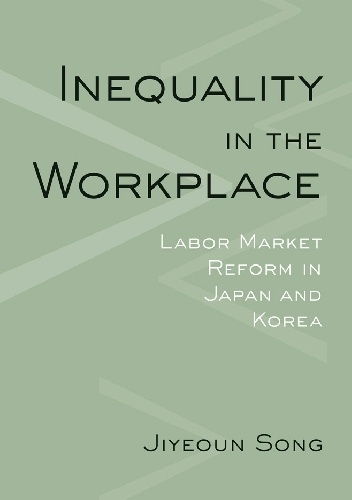
Inequality in the Workplace - Labor Market Reform in Japan and Korea - Jiyeoun Song
- Kategoria
- Dodał
-
- ebook
- pobierz
- mobi
- epub
The past several decades have seen widespread reform of labor markets across advanced industrial countries, but most of the existing research on job security, wage bargaining, and social protection is based on the experience of the United States and Western Europe. In Inequality in the Workplace, Jiyeoun Song focuses on South Korea and Japan, which have advanced labor market reform and confronted the rapid rise of a split in labor markets between protected regular workers and underprotected and underpaid nonregular workers. The two countries have implemented very different strategies in response to the pressure to increase labor market flexibility during economic downturns. Japanese policy makers, Song finds, have relaxed the rules and regulations governing employment and working conditions for part-time, temporary, and fixed-term contract employees while retaining extensive protections for full-time permanent workers. In Korea, by contrast, politicians have weakened employment protections for all categories of workers.
Rejestracja jest darmowa i bardzo szybka! Kliknij tutaj aby założyć konto. Trwa to tylko 15 sekund!.