
European Union Policies at a Time of Crisis - Grzegorz Grosse Tomasz
- Kategoria
- Dodał
-
- ebook
- pobierz
- mobi
- epub
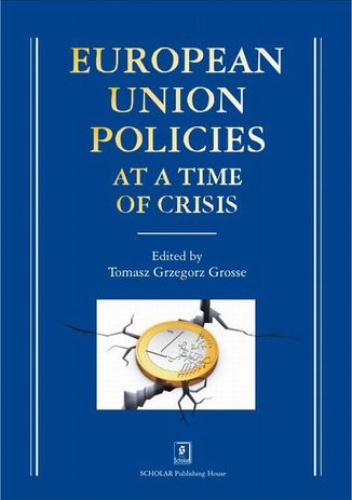
In recent years, and more specifically, since the outbreak of the Eurozone crisis in 2010, the model of integration has changed. The rising political power of the strongest Member States and the political segmentation of the European Union into separate circles of integration have become the new reality. These processes have been accompanied by a range of related changes, such as the growing politicisation of the European Commission, increasing institutionalisation of the euro area and petrification of the geographical and political division into central and peripheral states in the EU. At this point, it is difficult to predict whether these changes will prove temporary or permanent, and what will be their systemic consequences (or, in other words, how will they impact Europes political system). It is similarly difficult to judge how the changes will influence specific EU policies. An attempt to answer these difficult but compelling questions is the objective of our book.
Rejestracja jest darmowa i bardzo szybka! Kliknij tutaj aby założyć konto. Trwa to tylko 15 sekund!.