
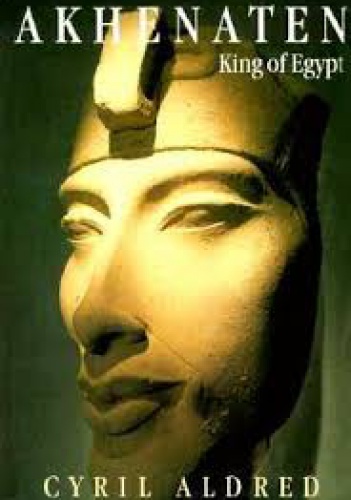
Akhenaten, King of Egypt - Cyril Aldred
- Kategoria
- Dodał
-
- ebook
- pobierz
- mobi
- epub
The character of the Egyptian Pharaoh Akhenaten has provoked more debate than that of almost any other figure of ancient times. Poet, artistic innovator, madman, visionary, reactionary, instigator of monotheism and forerunner of Christ, or atheist - the controversy continues. But who was this god-king, the notorious predecessor of Tutankhamun in the fourteenth century BC? What was the impact on traditional ancient Egyptian society when, after hundreds of changeless years, he overturned the established religion and built a new capital city on the Nile at Amarna? Cyril Aldred reassesses the evidence in a closely argued and forcefully written narrative. The revolutionary cult of sun-worship that Akhenaten introduced, and such contentious issues as the role of Nefertiti as a goddess, the dominant part played by plague during Akhenaten's reign, and the likely events of the king's twilight years are treated with new insight and set within the framework of an authoritative overview of the entire period.
Rejestracja jest darmowa i bardzo szybka! Kliknij tutaj aby założyć konto. Trwa to tylko 15 sekund!.